Emmanuel Church of Hooksett, NH
This is the Bible teaching ministry of Emmanuel Church, located in Hooksett, NH. Through the weekly preaching of Pastor Eric Davis, we explore God’s Word with clarity and conviction, showing how timeless Scripture speaks into the real challenges of today. Each message is grounded in the truth of the Gospel, pointing us to Christ as our Savior, Shepherd, and source of hope. Whether you are searching for answers, growing in your faith, or longing for encouragement, these sermons are shared so that you might know Jesus more deeply and follow Him more faithfully.




Episodes

Mar 23, 2026
Mar 23, 2026
47 min
Let There Be Love — Part 3: Love Your Neighbor
Description:In Part 3 of Let There Be Love, Pastor Eric moves from God’s love for us to the command that flows from it—our love for God and our love for others. Jesus teaches that the greatest commandment is to love the Lord with all our heart, soul, strength, and mind, and to love our neighbor as ourselves. But what does that actually look like in daily life?
Beginning in Luke 10, Pastor Eric walks through the encounter between Jesus and the lawyer who asked, “Who is my neighbor?” Through the parable of the Good Samaritan, Jesus exposes the danger of religious knowledge without compassion and challenges believers to examine whether their faith truly shapes their actions.
Pastor Eric shows how the priest and Levite represent religion without love—people who knew the Scriptures but lacked the heart of God—while the Samaritan demonstrates the kind of mercy that reflects the character of Christ. This message calls believers to resist the drift toward coldness and instead cultivate a living faith that moves toward broken people rather than away from them.
Ultimately, the parable points beyond human effort to the One who fulfilled the law perfectly—Jesus Christ—who came to rescue broken sinners and place His love within them so that it can flow through them to others.
Key Scriptures:Luke 10:25–37; Matthew 24:12; Romans 8:3–4; Deuteronomy 15:7–11; Leviticus 19:33–34; Exodus 23:4–5; James 2:17–19; Ephesians 2:8–10
Highlights:
Why Jesus warned that “the love of many will grow cold” in the last days
Personalizing Scripture so God’s love moves from the head to the heart
Raising “Ebenezers”: remembering the moments God has shown His love in your life
The greatest commandment: loving God with heart, soul, strength, and mind
Why loving your neighbor reveals the authenticity of your faith
The priest and Levite: religion without compassion or spiritual power
The Samaritan: mercy from the most unexpected place
The danger of narrowing God’s commands to something manageable
Why the law exposes our need for Christ rather than saving us
Evidence of genuine faith: love that moves toward broken people
Next Steps:Ask God to search your heart this week. Has your love grown cold toward people around you—especially those who are difficult, broken, or different from you? Take time to remember the “Ebenezers” in your life—moments where God showed you His love personally. Then look for one practical opportunity to “walk across the street” for someone in need. Let the love of Christ move from knowledge to action, and ask God to make you a channel of His compassion in a hurting world.
Mar 16, 2026
Mar 16, 2026
49 min
Let There Be Love — Part 2: Breaking Up the Fallow Ground
Description:In Part 2 of Let There Be Love, Pastor Eric continues laying the foundation for a biblical understanding of love by returning to the love of God for us. Before believers can rightly love God, love one another, or love a broken world, they must first understand the depth, security, and transforming power of God’s love in Christ.
Preaching from Ephesians 3, Pastor Eric emphasizes that the love of Christ is not merely something to study intellectually, but something to know personally and experientially. He shows how disordered loves, hardened hearts, hidden sin, and spiritual drift can cloud our vision of God’s love and keep us from walking in joyful fellowship with Him. Even churchgoing believers can become “prodigals in the pew,” outwardly present but inwardly distant.
Using Jeremiah 3, 1 John 4, Psalm 27, and the parable of the Prodigal Son, Pastor Eric calls the church to repentance, renewed affection for Christ, and a fresh experience of the Father’s love. This message is both gospel invitation and pastoral exhortation: come back to the Father, break up the fallow ground, and learn again to behold the beauty of the Lord.
Key Scriptures:Ephesians 3:14–21; Jeremiah 3:12–14; Jeremiah 3:24–25; 1 John 4:17–19; Psalm 27:4–5; Luke 15:11–24; John 10:27–30; Colossians 2:13–15
Highlights:
Why love for God must begin with a right understanding of God’s love for us
The danger of disordered loves and counterfeit substitutes for God
How sin and spiritual drift harden the heart, even in churchgoing Christians
“The prodigal in the pew”: outwardly present, inwardly far from God
Why shame and guilt should lead us back to Jesus, not away from Him
The difference between positional cleansing in Christ and daily relational cleansing
Breaking up the fallow ground through repentance and renewed sensitivity to God
Beholding the beauty of the Lord as the path to reordered affection
The Prodigal Son as a picture of the Father’s pursuing, restoring love
Ring, robe, and sandals: the Father restores identity before performance
Next Steps:Ask the Lord to show you where your loves have become disordered or divided. Is there a sin, affection, ambition, relationship, or habit that has begun to compete with your love for God? Bring it honestly to the cross. Spend time this week in Ephesians 3 and Luke 15, and ask God to help you know the love of Christ more deeply. If your heart has grown hard, pray for the courage to repent and return. If you have never trusted Jesus Christ as your Savior, come to Him today and receive the cleansing, forgiveness, and new life only He can give.
Mar 12, 2026
Mar 12, 2026
41 min
Sermon Title: Let There Be Love — Part 1: Loving God
Description:In this opening message of the Let There Be Love series, Pastor Eric addresses the growing anger, division, and hostility shaping both the culture and the church. Jesus warned that in the last days “because lawlessness will abound, the love of many will grow cold.” In a world filled with outrage, bitterness, and constant conflict, followers of Christ are called to live differently.
Beginning in Ephesians 3, Pastor Eric explores the truth that every human heart was designed to love God and to be filled by His love. The emptiness many people feel is not accidental—it is the result of a broken relationship with God caused by sin. Because of that void, people often try to fill their lives with substitutes: success, relationships, pleasure, addiction, work, entertainment, or possessions. Yet none of those things can satisfy what only God can give.
The message ultimately leads to the cross, where the holiness of God and the love of God meet. Jesus Christ, God in the flesh, died for our sins and rose from the grave so that spiritually dead people could be made alive again and restored to a relationship with God.
This sermon calls believers to examine whether their love for God has grown cold and reminds us that true life, joy, and identity are only found in receiving and resting in the immeasurable love of Christ.
Key Scriptures:Matthew 24:9–14Ephesians 3:14–21John 3:16John 10:27–30Ephesians 2:1
In This Sermon:
Jesus’ warning that the love of many will grow cold
Why the early church was known for loving even their enemies
The spiritual emptiness every person carries apart from God
The false comforts people turn to instead of God
The cross as the ultimate expression of God’s love
How a dead spirit is made alive through faith in Christ
Why God’s acceptance of His children never changes
Next Steps:Ask yourself honestly where you may be trying to fill the void in your heart apart from God. Bring those things to the Lord and ask Him to restore your love for Him. Spend time reflecting on the cross and the love Christ has shown you. If you have never trusted Jesus as your Savior, call upon Him today. If you already belong to Him, ask God to help you live rooted and grounded in His love so that your heart does not grow cold in a lawless world.
Feb 23, 2026
Feb 23, 2026
55 min
Blessed Are the Merciful
Description:In this message from the Sermon on the Mount, Pastor Eric teaches why mercy is both an impossibility in the flesh and a lived reality through Jesus Christ and the daily filling of the Holy Spirit. Mercy doesn’t go to the deserving—by definition it goes to the guilty. And the only way into the Kingdom is through the mercy of God poured out through the cross of Christ. From there, God expects His children to resemble their Father: to forgive, to bless, and to do good even when it’s costly. Pastor Eric explains the difference between vertical forgiveness (releasing vengeance to God) and horizontal forgiveness (restoring relationship when there is repentance), and why mercy given is mercy multiplied—“pressed down, shaken together, and running over.” If you’re carrying deep wounds, this sermon does not minimize the pain. It points to the only place real mercy is found—and the only power that can make it possible.
Key Scriptures:
Matthew 5:7
Luke 6:27–38
Luke 17:1–10
John 1:1, 14
2 Corinthians 5:21
1 Peter 2:24
John 10:27–30
Romans 12:19
In This Sermon:
Why the Sermon on the Mount is “Kingdom law” and impossible without Christ
Mercy as the doorway into the Kingdom: undeserved and unearned
Salvation explained: what it means to be “saved” and why Jesus is the only Rescuer
Mercy and love: inseparable, practical, and Christlike
The call to love enemies and bless those who curse
“Increase our faith” and Jesus’ answer: you already have faith—exercise it
Mercy multiplied: the measure you use will be measured back to you, pressed down and overflowing
Vertical forgiveness vs. horizontal forgiveness
Repentance, rebuke, restoration, and rebuilding trust over time
Next Step:Ask God to do what you cannot do: fill you with His mercy so you can release vengeance to Him, forgive from a free heart, and be ready to extend mercy when repentance comes.
Feb 16, 2026
Feb 16, 2026
45 min
Blessed Are the Pure in Heart (Practice the Presence of God)
Description:In Matthew 5:8, Jesus promises something staggering: “Blessed are the pure in heart, for they shall see God.” In this message, Pastor Eric explains that “pure” means without mixture — an unmixed heart and a single devotion. We look at the difference between positional purity (what God does for us in salvation) and progressive purity (how grace teaches us to live and how confession restores fellowship). Jesus doesn’t call us to perfection of performance, but purity of pursuit — a life where our treasure, attention, and affection are steadily re-centered on Him. As devotion becomes unmixed, vision becomes clear: the pure in heart “see God” at work in daily life.
Key Scriptures:
Matthew 5:8
John 15:3–5
Titus 2:11–14
Titus 3:4–7
Romans 3:10, 23
Matthew 6:19–24
Colossians 3:1–2
James 1:5–8
John 10:27–30
In This Sermon:
What “pure” means in Scripture: without mixture
Positional purity vs. progressive purity (relationship vs. fellowship)
Why salvation is not earned: Christ alone, grace alone
How mixed devotion clouds discernment and creates instability
“Where your treasure is, there your heart will be also”
The single eye, the unmixed life, and learning to “see God” daily
A practical call to “Practice the Presence of God” (Brother Lawrence)
Next Step:Ask honestly: What has my heart this week? Then re-aim your treasure toward Christ — because where you invest is where your heart will follow.
Feb 9, 2026
Feb 9, 2026
51 min
Blessed Are — Bruises to Blessings
Description:In this message from the Blessed Are series, Pastor Eric addresses a bruised and grieving moment in our nation and calls the church to see suffering through the lens of Jesus’ words: “Blessed are you…” Drawing from the Beatitudes and the Sermon on the Mount, he explains that blessing is not the absence of pain but the presence of God’s redeeming purpose within it.
Pastor Eric reflects on persecution, reviling, and being maligned for righteousness’ sake, showing how cultural hostility toward biblical convictions is not new—and should not surprise believers. He emphasizes that following Christ means obedience to God over approval from men, even when that obedience leads to suffering, misunderstanding, or loss. The message presses the church to resist fear, self-censorship, and compromise, and instead walk faithfully as ambassadors of Christ.
At the heart of the sermon is Isaiah 52–53, where the first and greatest bruise to blessing is revealed. Jesus Christ was wounded, bruised, rejected, and slain for our transgressions so that peace with God could be offered freely to sinners. Pastor Eric shows that Christ’s suffering was purposeful, voluntary, and victorious—and that all who trust Him receive forgiveness, new life, and eternal hope.
From Acts, 1 Peter, 2 Timothy, 2 Corinthians, and Hebrews 11, the message broadens to include both persecution and everyday hardship. Whether suffering comes through public hostility, personal loss, disability, sickness, or injustice, God redeems it for His glory when we keep an eternal perspective. Bruises do not have the final word—blessings do.
Key Scriptures (NKJV):Matthew 5:3–12; Isaiah 52:13–53:12; Acts 5:29–42; 1 Peter 4:12–16; 2 Timothy 3:12; 2 Corinthians 4:16–18; Hebrews 11:35–40.
Highlights:
Why Jesus calls the persecuted blessed, not defeated.
Biblical conviction vs. political labeling: living as a biblicist.
Christ’s bruising as the ultimate path to blessing (Isaiah 53).
Peace with God purchased through the suffering of Jesus.
Obeying God rather than men when faith is costly.
Persecution in many forms: slander, exclusion, loss, hardship.
Keeping an eternal perspective when life wounds deeply.
The call to leave a legacy of faithfulness, not fear.
Next Steps:Ask God to help you see your current bruises through an eternal lens. Thank Him for the suffering of Christ that secured your salvation. Pray for courage to live faithfully without compromise, and for grace to respond to opposition with truth, love, and endurance. Choose this week to rejoice—not in the pain—but in the promise that God is turning bruises into blessings for His glory.
Feb 2, 2026
Feb 2, 2026
36 min
Blessed Are — Blessed Are the Poor in Spirit (The Blessing of Humility)
Description:In this message from the Blessed Are series, Pastor Eric backs up to the foundation of the Beatitudes: “Blessed are the poor in spirit, for theirs is the kingdom of heaven.” He explains that “poor” is not material poverty, but spiritual neediness—an honest recognition of our emptiness, our sin, and our inability to rescue ourselves. This poverty of spirit is not humiliation for humiliation’s sake; it is the doorway to salvation and the beginning of a life shaped by humility.
Pastor Eric contrasts true humility with self-righteousness through Jesus’ parable of the Pharisee and the tax collector (Luke 18). The Pharisee “prays with himself,” measuring goodness against others and reinforcing his own pride. The tax collector, crushed by the weight of sin, pleads for mercy—and Jesus says that man goes home justified. The message presses home a simple reality: no one becomes right with God by comparison, effort, religion, or image-management. The only standard is Jesus Christ, and the only way into the kingdom is through Him.
From there, Pastor Eric shows how humility doesn’t end at conversion—it continues as the posture of the Christian life. Believers move from desperate need for salvation to a desperate hunger and thirst for righteousness: not to prove worth, but to live from grace. Pride cuts us off from grace; humility keeps us connected to the throne where mercy restores and grace enables. The call is both to the unbeliever (come to Christ and receive the water of life) and to the believer (stay humble, stay hungry, keep coming back to Jesus when you fall).
Key Scriptures (NKJV):Matthew 5:3; Luke 18:9–14; Romans 3:10, 23; John 14:6; Matthew 7:13–14; Ephesians 2:1; Matthew 5:6; James 4:6; Hebrews 4:16; Isaiah 55:1–2; Romans 8:1.
Highlights:
What “poor in spirit” actually means: spiritual neediness, not material lack.
Why humility is the foundation of every other Beatitude.
The Pharisee vs. the tax collector: self-righteousness vs. justification.
The true standard of goodness is Jesus, not the person beside you.
Salvation is received, not earned—Jesus is the door, and the way is narrow.
The difference between self-righteousness (proving) and true righteousness (hungering).
Mercy restores when we fall; grace empowers us to walk in righteousness.
Pride cuts off grace; humility keeps us connected to the throne of grace.
Next Steps:Ask yourself two questions:
Have I truly come to Jesus in poverty of spirit—owning my sin and receiving Him as my only Savior?
As a believer, am I trying to prove righteousness, or am I staying humble and staying hungry for Christ to fill me again?
Bring your sin, your shame, and your need to Jesus—then keep coming back for mercy and enabling grace to live like Him.
Jan 26, 2026
Jan 26, 2026
49 min
Blessed Are — Part 1: Blessed Are the Peacemakers
Description:In Part 1 of Blessed Are, Pastor Eric opens the series with one of Jesus’ most challenging and misunderstood declarations: “Blessed are the peacemakers, for they shall be called the children of God.” In a culture marked by outrage, division, and unrestrained anger—even within the church—this message calls believers back to the heart of Christ and the ministry of reconciliation.
Pastor Eric carefully distinguishes between righteous anger and destructive wrath, showing how uncontrolled anger numbs wisdom, damages witness, and distorts the gospel. Drawing from James, Romans, Isaiah, Colossians, and the teachings of Jesus Himself, he explains that peacemaking does not mean avoiding truth, suppressing conflict, or capitulating to evil. True peacemaking begins vertically—by receiving peace with God through Jesus Christ—and then flows outward as Spirit-led engagement with a broken world.
At the center of this message is the gospel itself: humanity as enemies of God, Christ as the Prince of Peace, and the cross as the place where justice and mercy meet. Pastor Eric emphasizes that God does not negotiate peace with sinners—He secures it through the blood of His Son—and that all who trust in Christ are reconciled, forgiven, and adopted into God’s family.
From there, the call is clear: those who have received peace are now commissioned to make peace. As ambassadors for Christ, believers are entrusted with the ministry of reconciliation—bringing truth with humility, courage with compassion, and confrontation with the goal of restoration. This message challenges listeners to examine how they handle conflict, how they represent Jesus in a divided world, and whether their lives reflect the Prince of Peace they proclaim.
Key Scriptures (NKJV):Matthew 5:9; James 4:1–5; Romans 5:6–11; Colossians 1:19–23; Isaiah 53:5; 1 Peter 2:21–23; 2 Corinthians 5:18–20; Romans 12:18.
Highlights:
Why peacemaking is often despised—and why Jesus elevates it.
The difference between righteous anger and sinful wrath.
Humanity’s true problem: enmity with God, not merely social conflict.
Jesus as the original Peacemaker who secured peace through the cross.
Salvation as reconciliation, not self-improvement or religion.
The ministry of reconciliation entrusted to every believer.
Why peacemaking requires truth, courage, discernment, and humility.
When confrontation is necessary—and when wisdom calls for withdrawal.
Representing Christ in conflict without compromising the gospel.
Next Steps:Ask God to examine your heart and reveal where anger, pride, or fear may be hindering your witness. Thank Him for making peace with you through Christ. Then pray for wisdom to know when to speak, when to confront, and when to step back—always with the goal of reconciliation. This week, intentionally represent Jesus as a peacemaker in one difficult conversation, workplace interaction, or family relationship.
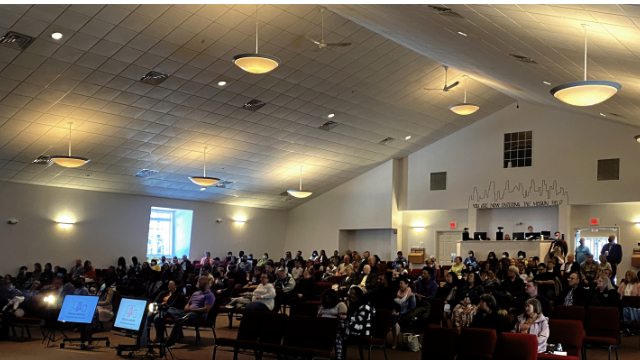
Bless God | Bless Others | Be the Blessing
This is the DNA of Emmanuel, we strive to Bless God first, most, and, best. We seek to honor Him and please Him with all we do. Because Jesus led by the example of loving others, and because Paul instructed us to particularly bless those of the household of faith, we seek to bless those within our home church through Small Groups, Soul Care, Worship, eKiDS, and our Preaching ministries. Finally, Be the Blessing means that we take this love and care outside of our church building and love the world as Jesus did. Sharing the Gospel, supporting local churches and missions as well as foreign missions. So, Bless God and get out there and be the blessing!